Previous
TIP and the Silesian Academy Launch Initiative for Łagiewniki Revitalization
May 12, 2026


The Strategic Role of HR in Brand Building and Awareness
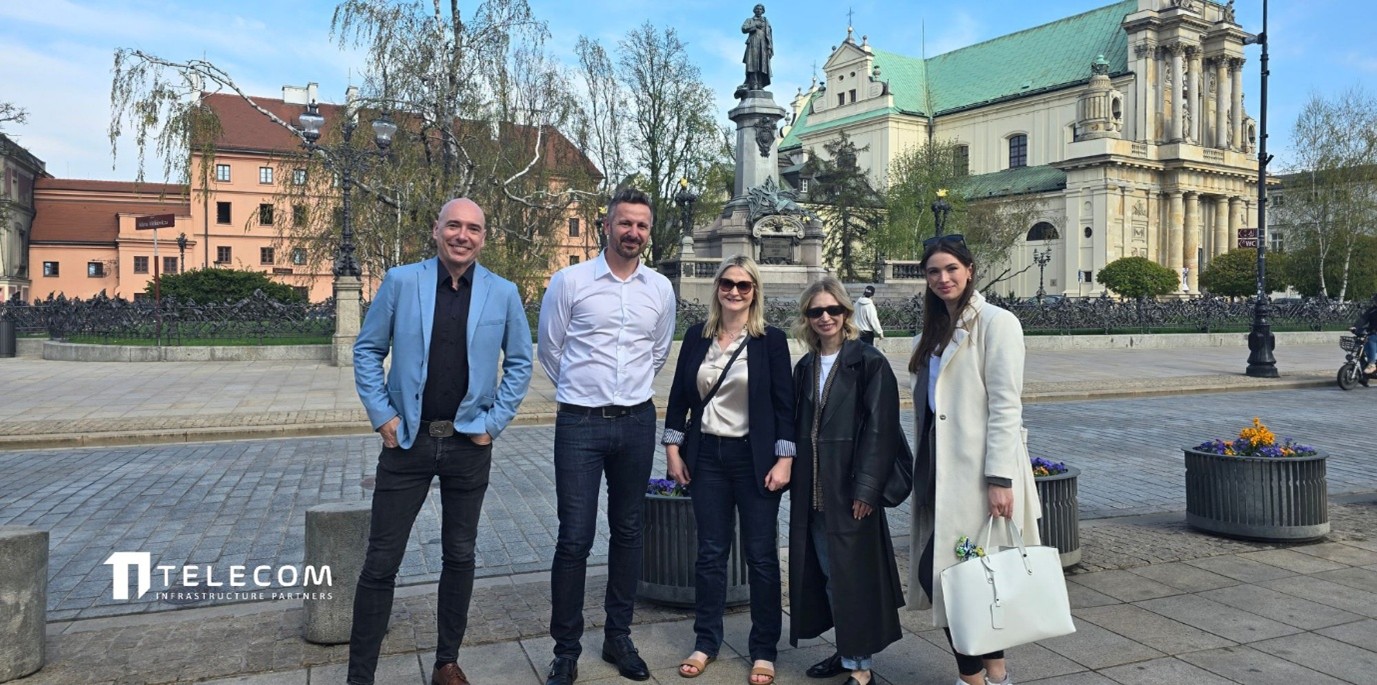
Rachel Woolf, TIP Chief People Officer’s recent visits to teams across Prague, Warsaw, the UK, Switzerland, South Korea and Denmark — highlight something critical: our people are our brand. The experiences, values, and energy that our employees embody day-to-day are the very essence of our company’s identity. And this is where HR plays a vital role.
HR is no longer just an administrative function; it is a strategic partner in shaping brand perception both internally and externally. The stories we have encountered — of growth, innovation, collaboration — are all reflections of our brand’s promise in action. HR helps collect, cultivate, and amplify these stories to build a consistent and authentic brand image across every market.
HR and Brand Awareness: Beyond Marketing
While brand awareness is often considered the domain of marketing, HR has a unique opportunity to extend and humanize the brand through every touchpoint in the employee journey. From recruitment campaigns to onboarding, learning and development, and leadership culture — each of these stages tells the world who we are.
Think about:
Employer Branding: HR as the Frontline Architect
Our brand is what people say about our company when we’re not in the room. Employer branding is how HR ensures those conversations are positive and aspirational.
Strong employer branding helps us:
As we continue meeting teams across regions, think of how their experiences such as an inclusive culture in Warsaw can be codified and communicated. These become pillars of our employer brand narrative.
HR as a Global Connector
Our travels also reinforce another truth: HR is the thread that ties our global identity together. By building unified practices that still allow local flavour, HR helps shape a cohesive brand that resonates in every country we operate in.
This journey — seeing the impact on the ground, the culture in action — is exactly what makes brand building through HR authentic and sustainable. These aren’t just strategies; they are stories, experiences, and shared goals coming to life.
In today’s digitally connected world, brand perception is shaped not only by what companies say but also by what their employees share and believe. Enter employee advocacy—a powerful, organic marketing force that thrives when employees feel genuinely connected to their organization. At its core, employee advocacy isn’t about pushing promotional content; it’s about creating a culture where empowered employees willingly and enthusiastically champion their company.
Employee advocacy refers to the promotion of a company’s brand, products, or culture by its workforce. This can happen through social media, word-of-mouth, professional networking events, or casual conversations. Unlike corporate marketing, advocacy from employees is seen as authentic, credible, and trustworthy—often having more influence than traditional advertising.
According to Nielsen, 92% of people trust recommendations from individuals over brands. This statistic underscores the potential of employee advocacy when executed effectively.
At the heart of employee advocacy lies empowerment. Empowered employees are those who:
When employees are empowered, they don’t need to be asked to advocate—they do so naturally. Empowerment builds emotional investment, and emotionally invested employees become genuine brand ambassadors.
Several platforms like LinkedIn Elevate, EveryoneSocial, and Bambu by Sprout Social help streamline and measure employee advocacy. These tools make it easier for employees to find shareable content, track performance, and understand their impact.
In a world where transparency and authenticity define business success, cultural alignment has emerged as a cornerstone of sustainable organizational growth. Companies can no longer afford a disconnect between what they promise the world and what they practice within. This is where HR plays a pivotal role: ensuring that the internal culture is a genuine reflection of the external brand.
Cultural alignment refers to the synchronization between a company’s internal environment—its behaviors, norms, and day-to-day practices—and the values it communicates to the outside world. In simple terms, it means “walking the talk.” When customers see a brand promise, they expect it to be true not just in marketing campaigns, but also in how employees are treated, how decisions are made, and how the organization behaves behind the scenes.
For example, a company that markets itself as innovative must foster a workplace that encourages experimentation, embraces failure, and values creative thinking at every level.
HR is the strategic architect of internal culture. While marketing defines the brand externally, it is HR’s job to breathe life into those values internally, making sure that employees experience the same culture customers are sold.
Here’s how HR drives this alignment:
HR helps translate broad brand values into tangible behaviors and rituals. For instance, if a brand value is “integrity,” HR ensures that policies and leadership expectations reflect ethical conduct.
The recruitment process becomes the first point of contact between external brand promises and internal reality. HR must ensure that candidates are not only skill-aligned but value-aligned. They must not only maintain consistency between who joins the company and what the company stands for but also encourage and develop those who enhance this further.
Onboarding is a prime opportunity to communicate cultural expectations. HR can design onboarding experiences that immerse new hires in the brand’s mission, values, and tone from day one.
From performance reviews to recognition programs, HR should integrate brand values into every stage of the employee lifecycle. This includes how leaders communicate, how feedback is given, and how success is measured.
An aligned culture isn’t static. HR should regularly collect and analyze employee feedback to ensure that the values employees experience match what the company aspires to represent externally.
When customers and employees see consistency between what’s said and what’s done, trust deepens. Trust builds loyalty, retention, and brand equity.
Employees are more engaged when they work in a culture that feels purposeful and congruent with the company’s outward mission.
Discrepancies between internal culture and external messaging can lead to reputational damage. Just one employee review or viral post highlighting the hypocrisy can unravel years of brand-building.
In the age of Glassdoor, LinkedIn, and TikTok job rants, the company culture is on full display. Cultural alignment ensures that prospective and current employees see consistency, leading to stronger talent pipelines and lower turnover.
These companies exemplify how HR operationalizes brand values, creating internal cultures that mirror external promises.
In the era of digital transparency and personal connection, the stories a company tells about its people are as important as the products or services it offers. When Human Resources (HR) teams join forces with Communications and Marketing, they create a powerful trifecta capable of shaping perception, building trust, and attracting both top-tier talent and strategic partners.
This collaboration centers on one key asset: authentic storytelling through social media.
The modern workforce—especially Gen Z and Millennials—doesn’t just choose jobs; they choose cultures, causes, and communities. Before applying, candidates often turn to LinkedIn, Instagram, Glassdoor, and even TikTok to gauge what life is like inside the company.
What they’re looking for isn’t corporate jargon or product pitches—they want stories:
When HR, Communications, and Marketing collaborate effectively, they bring these stories to life in a way that’s strategic, human, and emotionally resonant.
Here’s how the synergy between HR, Comms, and Marketing transforms storytelling into a strategic advantage:
HR is closest to the employee experience. They understand the people, the pulse, and the pivotal moments that make working at the company unique. From onboarding journeys to personal growth tales, HR identifies the real narratives worth sharing.
The Communications team brings the expertise to craft stories with structure, clarity, and tone. They ensure that the messaging is aligned with the company’s voice while remaining true to the employee’s experience.
Marketing knows the channels, the algorithms, and the metrics. They can package these stories visually and strategically, targeting the right audiences—be it prospective talent, potential partners, or broader stakeholders—on the right platforms.
These types of stories humanize the brand, making it relatable and aspirational—not just for job seekers but for partners who want to align with ethical, people-centered organizations.
Authentic content has a magnetic effect. Candidates get a genuine feel for the company culture and self-select into environments where they see alignment.
Potential partners want to collaborate with companies that have strong internal cultures. When people stories reflect integrity, diversity, and innovation, they reinforce external brand trust.
Sharing employee stories builds pride internally. It shows that the organization values individual contributions and celebrates its people publicly.
Engagement, follower growth, time-on-site from referral traffic—well-crafted social storytelling influences all these KPIs in a measurable way.
Because at the end of the day, people don’t connect with brands—they connect with stories.
“Your brand is what people say about you when you’re not in the room.” – Jeff Bezos
This quote, though often used in marketing circles, resonates powerfully in the context of employer branding. In a world where employees, candidates, and even customers form opinions based on internal culture as much as external offerings, HR becomes the essential architect of reputation, perception, and talent magnetism.
Employer branding is more than a glossy careers page or a sleek LinkedIn banner. It’s the lived and shared experience of people across the organization—and HR sits at the frontline of defining, shaping, and amplifying it.
Employer branding is the perception of your organization as a great place to work. It’s what current, former, and potential employees believe about your culture, your leadership, your mission, and how you treat your people.
While Marketing tells the story of your products and services, HR tells the story of your people and purpose.
In today’s competitive and transparent labor market, a strong employer brand delivers real business impact. Here’s how:
Candidates now choose employers like consumers choose brands—carefully, and with high expectations. A well-communicated employer brand helps differentiate your company in saturated markets, making it easier to recruit skilled, culturally-aligned talent.
When employees feel proud of where they work and see their values reflected in company behavior, they’re more engaged and loyal. Employer branding reinforces a shared sense of purpose and belonging, reducing churn and strengthening morale.
It’s no longer enough to be known for innovative products—you must be known for how you treat your people. When employer branding spotlights your commitment to diversity, learning, well-being, and career growth, it strengthens your overall market reputation, influencing customers, partners, and even investors.
As the frontline architect, HR is uniquely positioned to shape employer branding from an authentic, lived perspective. Here’s how:
Branding begins with listening. HR should continuously gather feedback through engagement surveys, feedback interviews, and culture assessments. What do employees love? What do they wish was different? These insights form the foundation of an employer brand that’s real, not aspirational fluff.
The inclusive culture experienced in your Warsaw office? The cross-functional collaboration in Denmark? These aren’t isolated anecdotes—they are the building blocks of your employer brand narrative. HR should collect and codify these stories into cultural pillars that can scale across geographies.
Every region has something to teach. Sharing those learnings creates a sense of unity and progression across the company.
Work closely with Communications and Marketing to ensure your employer brand mirrors your external brand values. If your brand promise is innovation, your people practices should nurture experimentation. If you champion sustainability, employees should see eco-conscious efforts in action.
An authentic employer brand doesn’t come from HR alone—it’s shaped by employees. Equip teams to share their experiences on social media, encourage Glassdoor reviews, and feature employee stories in recruitment materials. Real voices resonate louder than polished campaigns.
Your employer brand is only as strong as the stories you choose to tell. For example:
By documenting these stories and tying them to core values—integrity, authenticity, embracing change, people first—HR weaves a consistent, compelling narrative that speaks to future employees and reinforces pride for those already on the inside.
As we continue connecting with teams across regions, let’s keep asking:
What makes this place special—and how do we ensure the world knows it?
Because in the end, our people are our best proof—and HR is their microphone.
In today’s increasingly interconnected world, multinational organizations face a defining challenge: how to cultivate a unified global identity while honoring the unique cultures and customs of each local team. At the center of this balance stands one critical, often unsung function—Human Resources.
Whether visiting offices in Europe, Asia, or the Americas, one truth becomes clear: HR is the thread that ties our global identity together. It’s more than policy or process—it’s about people. By designing inclusive frameworks and practices that allow for regional nuance, HR serves as both architect and steward of a global culture that’s cohesive, yet richly textured with local flavor.
HR is no longer just an internal service provider. It is a strategic, global force for alignment, empathy, and consistency, playing a critical role in shaping how an organization is perceived both internally and externally.
Here’s how HR connects the global to the local in a way that is sustainable, authentic, and human:
HR creates and protects the foundational values of the company—such as integrity, collaboration, innovation, or inclusivity—that act as universal touchstones across all locations. These values anchor the organization and ensure that, no matter where employees sit, they are working toward a shared purpose.
But HR also ensures that these values don’t remain abstract. They are translated into everyday practices—from hiring and performance management to leadership development and recognition programs.
True cultural resonance comes when global frameworks are thoughtfully localized. HR does this by partnering with regional teams to:
This duality—standardization with customization—is how HR enables alignment without erasing individuality.
Traveling, observing, and engaging directly with teams around the world is what brings HR’s global role to life. It transforms data into insight, and strategies into stories.
When HR sees an inclusive onboarding experience in Warsaw, or a team development session making a difference in South Korea, it becomes more than policy—it becomes a lived reality. These ground-level interactions inform stronger, more empathetic global strategies because they are rooted in real experiences.
HR isn’t just responsible for culture-building—it’s a culture-catalyst and storyteller. The stories from each region—of resilience, innovation, or inclusion—can and should be woven into the broader employer brand narrative.
These aren’t just anecdotes; they’re powerful examples of how company values are brought to life, and they deserve amplification. HR becomes the curator of this shared narrative, reinforcing both local pride and global unity.
By connecting global intentions with local actions, HR supports a brand that is:
Employees, candidates, and partners experience the same values, tone, and respect, regardless of geography. This consistency builds trust and credibility.
Local teams feel seen, heard, and valued—not asked to conform, but invited to contribute their uniqueness to the bigger picture.
Strategies alone don’t build brand loyalty—stories, shared goals, and lived experiences do. HR’s on-the-ground presence helps transform abstract values into tangible cultural moments.
At Telecom Infrastructure Partners, our success is powered by people. As we grow globally, Human Resources plays a pivotal role in shaping a unified, purpose-driven culture that reflects who we are—inside and out.
HR is the architect of our employer brand, ensuring that what people say about working at TIP aligns with the values we aspire to live by. It’s not just about attracting talent—it’s about creating experiences that inspire loyalty, engagement, and pride. When our people feel connected and empowered, they become our most authentic ambassadors.
This internal culture must align with the story we tell the world. HR ensures that the values we promote externally—integrity, embracing change, authenticity—are embedded in daily work, leadership behavior, and decision-making. That cultural alignment builds trust, both within our workforce and with the outside world.
Storytelling is a key part of this strategy. Through collaboration with Communications and Marketing, HR brings employee experiences to life—amplifying voices across regions and sharing what makes TIP unique. These stories resonate with future talent and partners, adding credibility to our brand.
As we engage with teams in different countries, we see our values lived in diverse, powerful ways. HR connects these moments into a cohesive global identity, celebrating both the unity and richness of local culture. This isn’t just strategy—it’s people, purpose, and progress in action.

Rachel Woolf Chief People Officer Telecom Infrastructure Partners