Previous
Management of Telecommunications Infrastructure in Housing Cooperatives and Public Offices
August 4, 2025



New partnership between the Silesian Academy and Telecom Infrastructure Partners – an opportunity for the revitalization of Łagiewniki and the development of young architects
The Silesian Academy has officially announced the launch of a new and highly promising partnership with the international investment firm Telecom Infrastructure Partners (TIP). This partnership is an example of synergy between the worlds of academia and business, combining the experience of a global investor with the creativity and fresh perspective of future architects. This joint initiative is not only educational in nature, but also has real potential to influence urban space and support the development of the local community.
Who is Telecom Infrastructure Partners?
Telecom Infrastructure Partners is an international company specializing in investments in telecommunications infrastructure. Its business model consists of offering owners of land, buildings, or other sites with cellular antennas or towers a one-time upfront payment in exchange for taking over the rights to future lease income and professionally managing those assets.
Thanks to its experience, TIP supports the efficient use of telecommunications infrastructure while providing property owners with financial stability and minimizing risk. Its cooperation with the Silesian Academy also shows that the company takes a broader view by engaging in social and educational projects.
The former sugar factory site is a design space
A central element of the partnership is the site of the former sugar factory located at 2 Przemysłowa Street in Łagiewniki. It is an area with great potential, yet one that requires thoughtful revitalization. Post-industrial spaces such as this are currently among the greatest challenges in contemporary architecture and urban planning.
Degraded areas often remain unused for years, even though they could serve important social, residential, cultural, or recreational functions. Their transformation requires not only technical knowledge but also sensitivity to historical context, residents’ needs, and sustainable development.
Competition for architecture students
As part of the cooperation, a design competition has been announced for students of the Architecture program at the Silesian Academy. The task is being carried out במסגרת the design classes within the course “Transformation of Post-Industrial and Degraded Areas.”
Students will face the challenge of developing original concepts for the development of this area. Their projects will cover various aspects, from urban layout and spatial functions to architectural and ecological solutions.
This is a unique opportunity for young designers to confront a real spatial problem that is significant not only academically, but also socially and economically.
Site visit – the first step toward a good project
To prepare as well as possible for the design work, the students will go on a site visit. Direct familiarity with the site is crucial for understanding its character, scale, and existing conditions.
During the visit, they will be able to analyze, among other things:
This kind of experience is invaluable in the education of architects – it helps translate theory into practice and teaches responsible design.
A fresh perspective on the future of Łagiewniki
One of the most valuable elements of this undertaking is the students’ fresh and unconventional approach to design. Young architects often propose bold, innovative solutions that may become an inspiration for future investments.
Their visions may include, among other things:
Although these projects are conceptual in nature, they may serve as a starting point for further revitalization efforts and real investments.
Benefits of the cooperation
The cooperation between the Silesian Academy and Telecom Infrastructure Partners brings benefits to many parties.
For students:
For the university:
For TIP:
For the local community:
A new chapter for Łagiewniki
The project carried out within this partnership may become the beginning of larger changes in Łagiewniki. The revitalization of post-industrial areas is a long-term process, but an extremely important one for urban development.
Thanks to the involvement of students, the support of the university, and the experience of the business partner, a space is being created for dialogue and the search for the best solutions. It is an example of how education can have a real impact on the reality around us.
We eagerly await the results
The organizers and project partners are eagerly awaiting the results of the students’ work. Their projects may not only surprise with creativity, but also indicate new directions for the development of this part of the town.
One thing is certain – the cooperation between the Silesian Academy and Telecom Infrastructure Partners is a step toward modern, responsible design and an example of how the combination of knowledge, experience, and fresh perspective can bring real value to urban space.
The future of Łagiewniki is beginning right now – on the drawing boards of young architects.
Why we are here – the values that build cooperation
The cooperation between the Silesian Academy and Telecom Infrastructure Partners is not only an investment and educational project, but also a meeting of two worlds based on shared values. One of the key foundations of TIP’s activity is a strong commitment to building an organizational culture based on inclusiveness, diversity, and social responsibility.
The company operates in many international markets, working with teams made up of people representing different cultures, experiences, beliefs, and identities. Such diversity is not seen as a challenge, but as a real value – a source of innovation, fresh perspectives, and a better understanding of local communities.
Building a strong and inclusive organizational culture, however, requires conscious action. Telecom Infrastructure Partners pursues this through specific initiatives and everyday practices, which are also reflected in projects such as the cooperation with the Silesian Academy.
Cultural awareness as the foundation of cooperation
One of the pillars of TIP’s approach is recognizing the importance of cultural and social diversity. The company actively ensures that its activities take into account key cultural, religious, and social events around the world.
Such an approach is particularly important in the context of international operations, but also in local projects. Cooperation with the university and students is not only an exchange of knowledge, but also a meeting of different ways of thinking, sensitivities, and approaches to spatial design.
In practice, this means creating an environment in which every voice matters, and differences become an inspiration for creating better, more thoughtful urban solutions.
Consistent communication across borders
Another important element is consistent and thoughtful communication – both internal and external. TIP places great emphasis on ensuring that communication is clear, transparent, and adapted to different cultural contexts.
In projects such as this one carried out with the Silesian Academy, this is of particular importance. Students, lecturers, and the business partner create a shared space for dialogue in which openness, mutual understanding, and the ability to cooperate are crucial.
It is precisely thanks to such an approach that it is possible to build projects that respond not only to investment needs, but also to social and cultural ones.
Supporting community engagement
Telecom Infrastructure Partners actively encourages its employees and partners to engage in activities that benefit local communities. This approach is also reflected in educational and design initiatives.
The cooperation with the Silesian Academy is an excellent example of such action. Thanks to it, young architects not only gain experience, but also have a real impact on the future of the place in which they live and which they design.
This is an important element in shaping responsible professionals – those who understand that architecture is not only about form and function, but also a tool of social impact.
Values translated into space
An organizational culture based on inclusiveness and diversity has a direct impact on the way spaces are designed. Projects created in this spirit are more open, accessible, and responsive to the needs of different user groups.
In the context of the revitalization of Łagiewniki, this means the possibility of creating spaces:
A partnership based on shared values
Incorporating these values into the joint project of the Silesian Academy and Telecom Infrastructure Partners gives it an additional dimension. It is no longer just an architectural competition, but also a platform for the exchange of ideas, experiences, and perspectives.
Such an approach means that the resulting concepts may be not only innovative in form, but also socially responsible and conscious of the context in which they operate.
The Silesian Academy – a modern university combining technology, art, and practice
A key partner in the project is the Silesian Academy – a dynamically developing private university based in Katowice, which has been building its position for years as one of the most innovative educational institutions in the region. The university was established in 2003 (previously as the Higher School of Technology) and, from the very beginning of its activity, has focused on practical education and a close connection between education and the real needs of the labor market.
The Silesian Academy stands out among other universities thanks to its particularly unique educational profile, combining technical, artistic, medical, and social sciences. As a result, students have the opportunity to develop interdisciplinary competencies that are highly valued in the contemporary world of design, technology, and business.
Fields of study responding to contemporary challenges
The educational offer of the Silesian Academy includes a wide range of degree programs delivered through several faculties. Of particular importance to the project described is the Faculty of Architecture, Civil Engineering, and Applied Arts, which educates future specialists in, among others, the following fields:
The university also develops medical and social science programs, making it a center with a broad spectrum of competencies – from engineering and design to health sciences and management.
Such a diverse educational offer supports the creation of interdisciplinary projects, such as the revitalization of post-industrial areas, where combining technical, social, and aesthetic knowledge is essential.
Practice-based education
One of the foundations of the Silesian Academy’s operation is its emphasis on the practical preparation of students for professional work. Study programs include numerous projects, workshops, and mandatory internships, which allow students to gain experience during their studies.
In this context, the cooperation with Telecom Infrastructure Partners fits perfectly into the university’s educational model. Students do not work solely on abstract tasks – they have the opportunity to confront a real urban planning problem and create projects that may have a genuine impact on urban space.
This approach means that graduates of the Silesian Academy are better prepared to enter the labor market – both in Poland and abroad.
Faculty and academic environment
The high quality of education is ensured by an experienced teaching staff composed of practitioners and specialists representing various fields. Thanks to this, students gain contact not only with theory, but also with current trends and the realities of the industry.
The university also cooperates with business partners and public institutions, which enables the implementation of applied projects and increases students’ chances for professional development.
A space for innovation and creativity
The Silesian Academy places emphasis on modern teaching methods and the development of students’ creativity. This is particularly visible in design-related fields such as architecture, where the ability to combine functionality with aesthetics and social responsibility is of key importance.
The implementation of the competition concerning the development of the site of the former sugar factory in Łagiewniki is an excellent example of this approach. Students are not only designing a space – they are learning strategic thinking, contextual analysis, and how to propose solutions that respond to the needs of residents.
A university open to cooperation
One of the distinguishing features of the Silesian Academy is its openness to cooperation with the economic and social environment. Partnerships with companies such as Telecom Infrastructure Partners make it possible to carry out projects of real significance and build bridges between education and business.
Such initiatives:
The Silesian Academy as a space for developing future architects
In the context of the revitalization of Łagiewniki, the role of the Silesian Academy is particularly important. It is here that future architects are being educated – those who will be responsible for shaping urban spaces in the coming years.
By combining theoretical knowledge, practical projects, and cooperation with business partners, the university creates an environment conducive to the development of modern, conscious designers.
It is they – the students of the Silesian Academy – who are already working today on visions that may genuinely change the face of Łagiewniki in the future and become an example of successful revitalization of post-industrial space.
Urban and architectural concept for the development of the site of the former Łagiewniki Sugar Factory
A. General context – the development potential of Łagiewniki as a future satellite town of Wrocław
1. Settlement position and regional significance
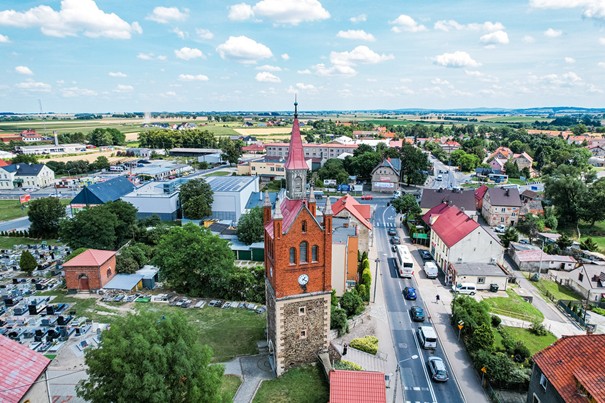
Łagiewniki, located in Dzierżoniów County in the southern part of Lower Silesian Voivodeship, is a locality with exceptional, though still insufficiently utilized, development potential. Despite its formal village status, its scale, history, and strategic location predestine it to become an important local center.
In the coming years, Łagiewniki may serve as a satellite town of Wrocław – especially in the context of intensifying suburbanization processes and the rising cost of living in large agglomerations. Localities offering a high quality of life, access to greenery, a peaceful environment, and at the same time good transport accessibility are becoming increasingly important.
Łagiewniki fits this trend almost perfectly – combining landscape value with investment and spatial potential.
[source: www. pow.dzierzoniow.pl]
2. Transport accessibility and supra-regional connections
One of the key advantages of the town is its very good transport accessibility—at the regional, national, and international levels.
Road transport:
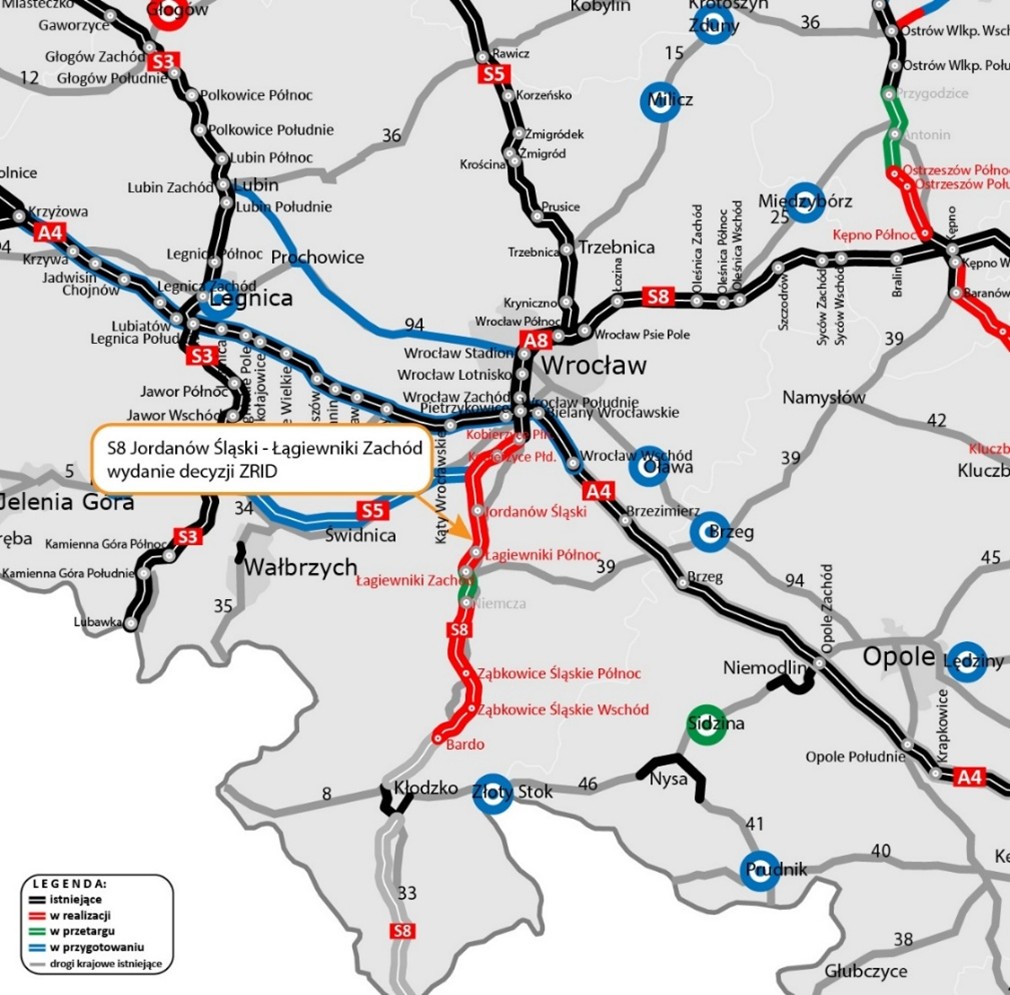
[source: www. wroclaw.pl]
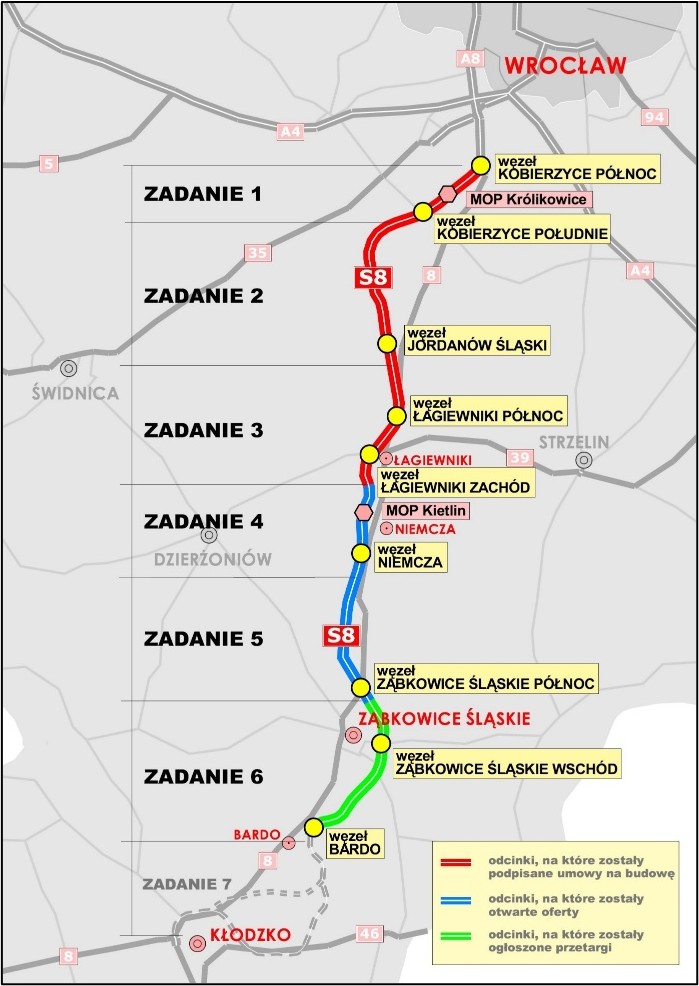
[źródło: www. wroclaw.pl]
Rail transport:
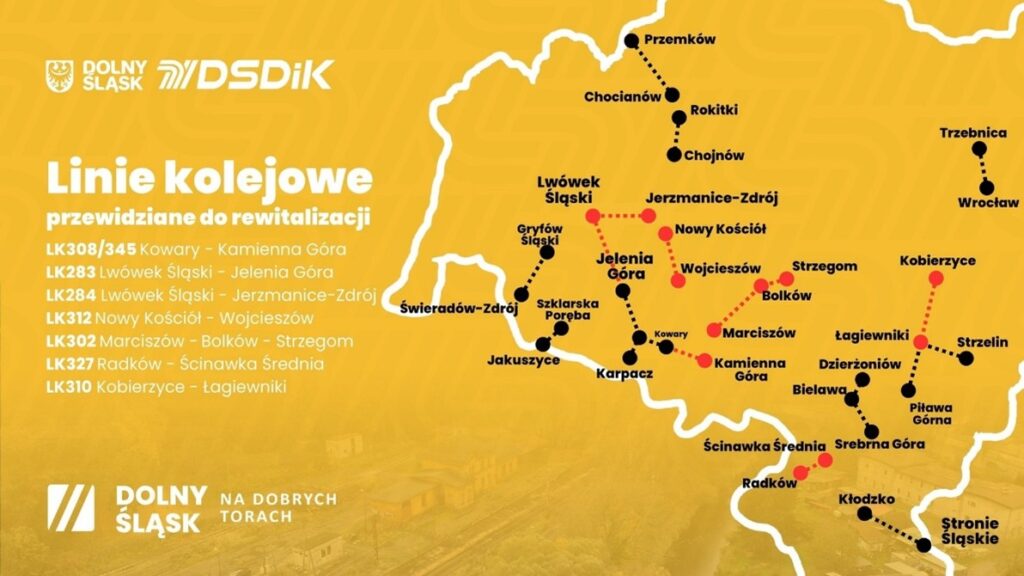
[source: www. wroclaw.pl]
Such favorable transport conditions make Łagiewniki a particularly attractive location for the development of residential, service, and economic functions.
3. Landscape and environmental conditions
Łagiewniki is located in an area of exceptional natural value—directly adjacent to the Ślęża Landscape Park.
[source: www. pow.dzierzoniow.pl]

The proximity of the Sudetes and the Sudeten Foreland translates into high landscape attractiveness and supports the development of recreational, tourism, and residential functions.
The natural terrain, open views, and existing greenery constitute significant spatial and identity assets. These elements can form the foundation for creating a modern, sustainable living environment.

[source: wikipedia]
B. Subject of the competition study
The site of the former Łagiewniki Sugar Factory as a future district of the town
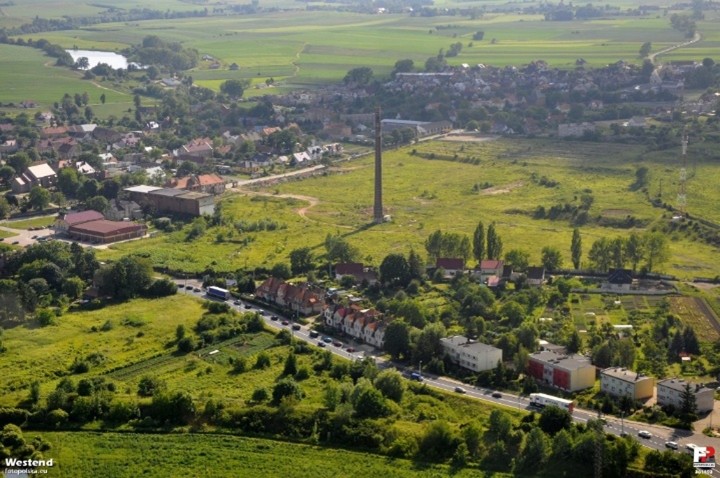
The subject of the competition is the development of an urban and architectural concept for a site of approximately 20 hectares, formerly occupied by the Łagiewniki Sugar Factory.
This area:
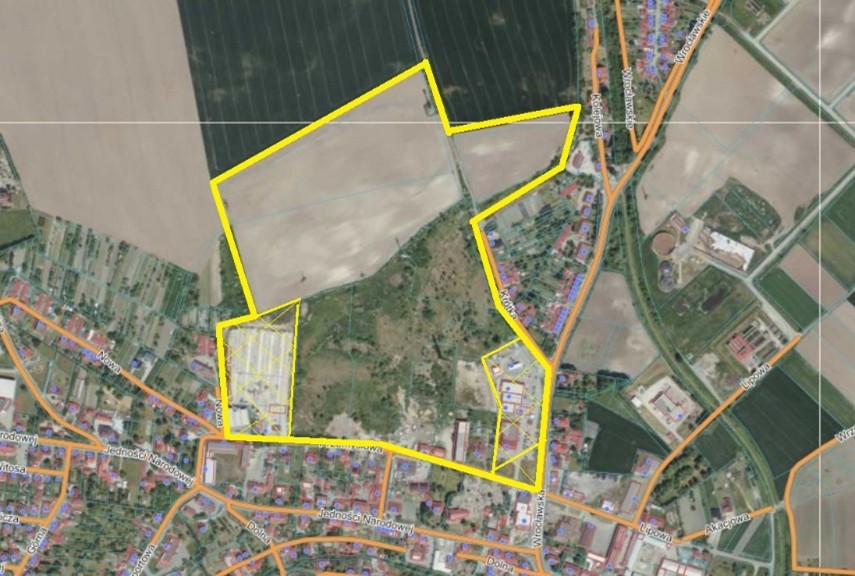
[source: google maps]
In the long term, this area has the potential to transform into a fully developed, modern district—combining residential, commercial, social, and recreational functions. It may also serve as a catalyst for the transformation of Łagiewniki from a rural settlement into a dynamically developing town.
[source: polska-org.pl]
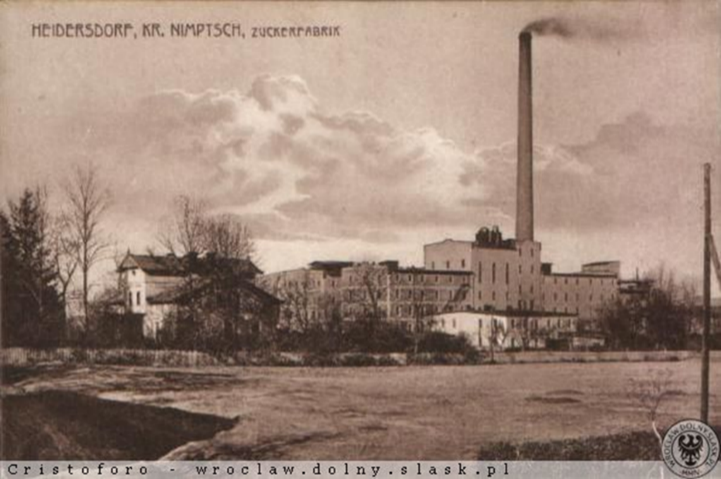
[source: fotopolska.eu]
C. Historical context – the heritage of the Łagiewniki Sugar Factory
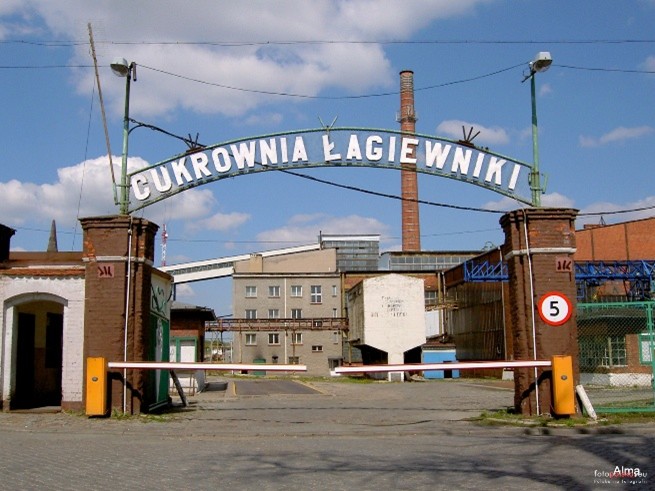
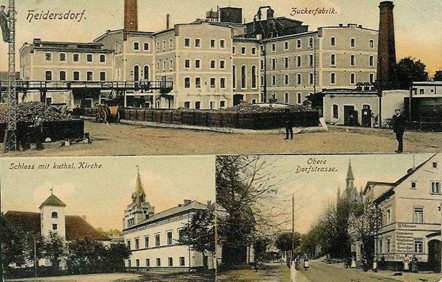
The Łagiewniki Sugar Factory operated for nearly 150 years, serving as one of the key pillars of the town’s economic development. The plant not only provided employment for local residents, but also shaped the spatial structure and identity of the local community.
Throughout its history, the sugar factory played the role of:
[source: fotopolska.eu]
[source: fotopolska.eu]
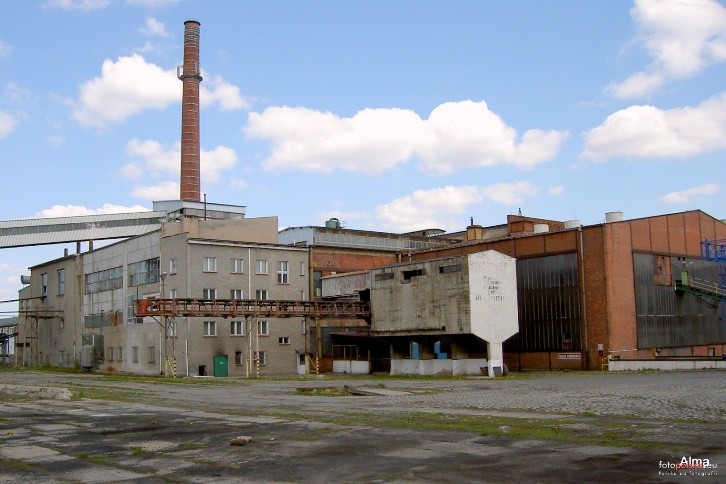
To this day, fragments of the former infrastructure have been preserved, such as the chimney, entrance gate, administrative and production buildings, as well as the director’s house. Although their condition varies, they constitute highly valuable cultural and spatial heritage.
[source: fotopolska.eu]
In the design process, these elements should be treated not as obstacles, but as assets—features that can give the new district a unique character and anchor it in local history.
Revitalization as a dialogue between the past and the future
The redevelopment of the former sugar factory site is not only an urban planning task, but also an attempt to answer the question of how to combine history with modernity.
A contemporary approach to revitalization assumes the preservation and reinterpretation of existing structures, rather than their complete demolition.
This makes it possible to create spaces that:
Summary
The collaboration between the Silesian Academy and Telecom Infrastructure Partners is an example of a modern approach to education, urban planning, and responsible spatial development. It is an initiative that goes beyond the framework of a traditional academic project—bringing together academia, business, and real social and spatial challenges.
On one side, there is an international investment company that brings experience, a global perspective, and values based on inclusivity and social engagement. On the other, there is a university focused on practical education and fostering student creativity, preparing future architects for conscious and responsible spatial design.
At the center of this collaboration is the site of the former Łagiewniki Sugar Factory—a place with a rich history and significant transformation potential. Its future, considered in the context of Łagiewniki’s development as a potential satellite town of Wrocław, becomes an inspiring field for design exploration. By working on urban and architectural concepts, students are not only learning their profession, but also actively participating in shaping the future of this place.
An important aspect of the project is also its value-driven dimension—based on diversity, openness, and social responsibility. As a result, the concepts developed have the potential to be not only functional and aesthetically appealing, but also inclusive, sustainable, and responsive to the needs of diverse user groups.
The revitalization of post-industrial areas, such as the former sugar factory site, is one of the key challenges facing modern cities today. The project carried out in Łagiewniki demonstrates that the key to success lies in collaboration—combining knowledge, experience, and fresh perspective.
[source: polska-org.pl]
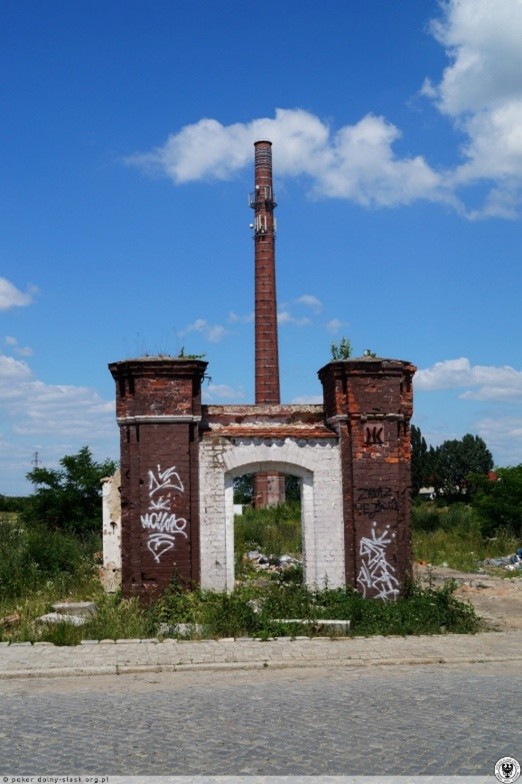
[source: polska-org.pl]
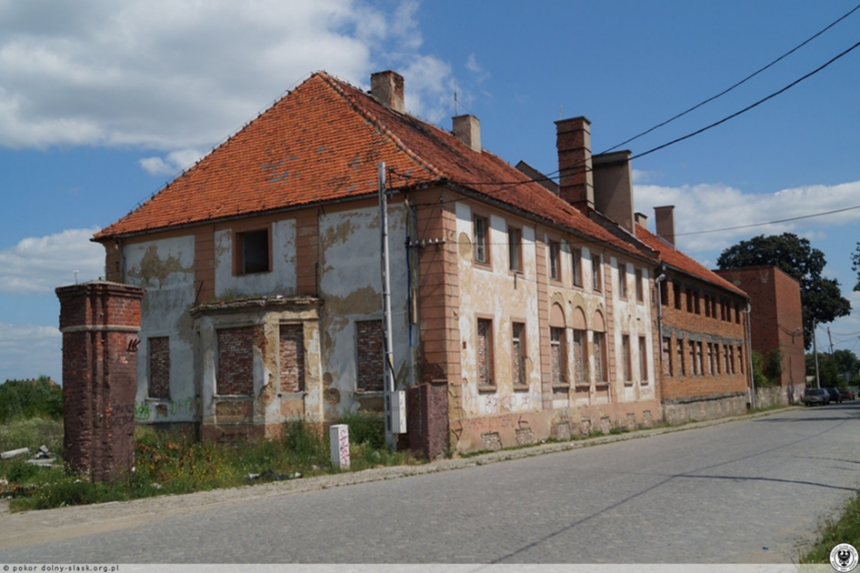
It is precisely through initiatives like these that ideas emerge—ideas that can translate into real change in the future: new districts, an improved quality of life for residents, and spaces that will serve future generations.
[source: foto Waldemar Kuli]
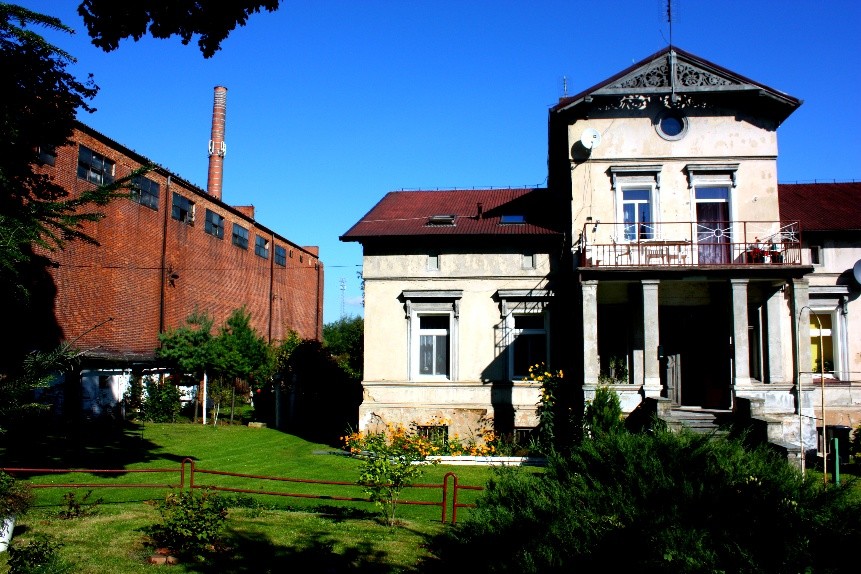
Łagiewniki stands today on the threshold of transformation. Its beginning lies where vision, education, and responsible design come together.
If you have a GSM tower on your property, or can indicate a location where such a tower is situated, we would kindly ask you to contact us.
Waldemar Kuli | wkuli@telecom-ip.com | +48 532 774 807 | https://telecom-ip.com.pl/